It’s easy to forget the simple pleasures of making a book - no matter how large or small, how fancy the cover (read: embossed logo on custom colour linen), the number of images, or the complexity of the process itself. I’ve done the formal photobook thing: collaborated with a brilliant designer (who in the process became a dear friend), persued a publisher I wanted to work with, played the “pay to play” game, and ultimately made a book I’m still proud of - five years later.
The well-trodden path of photobook publishing is a complicated one. A trusted friend who travelled the same road - with the same publisher, I should add - warned me ahead of time to prepare myself for the inevitability that I was making the most expensive business card possible. As it turned out, that description was dead on.
There are advantages, of course. At the time, I was working full time outside of the photo world and didn’t have the bandwidth to navigate many parts of the process, the most daunting of which was distribution. There were other perceived benefits: the prestige and legitimacy of a publisher whose catalogue included some of my favourite photographers; the false sense of joining a “family” within the photobook world; and the idea that someone other than myself might care enough to promote the thing. I knew full well that no one would ever care or work harder than I would, but still, the reality of that experience left a lot to be desired.
I’ve made other books over the years - mostly small maquettes and dummies - but those were always with a different intention, toward something larger and made for a specific audience of publishers and editors.
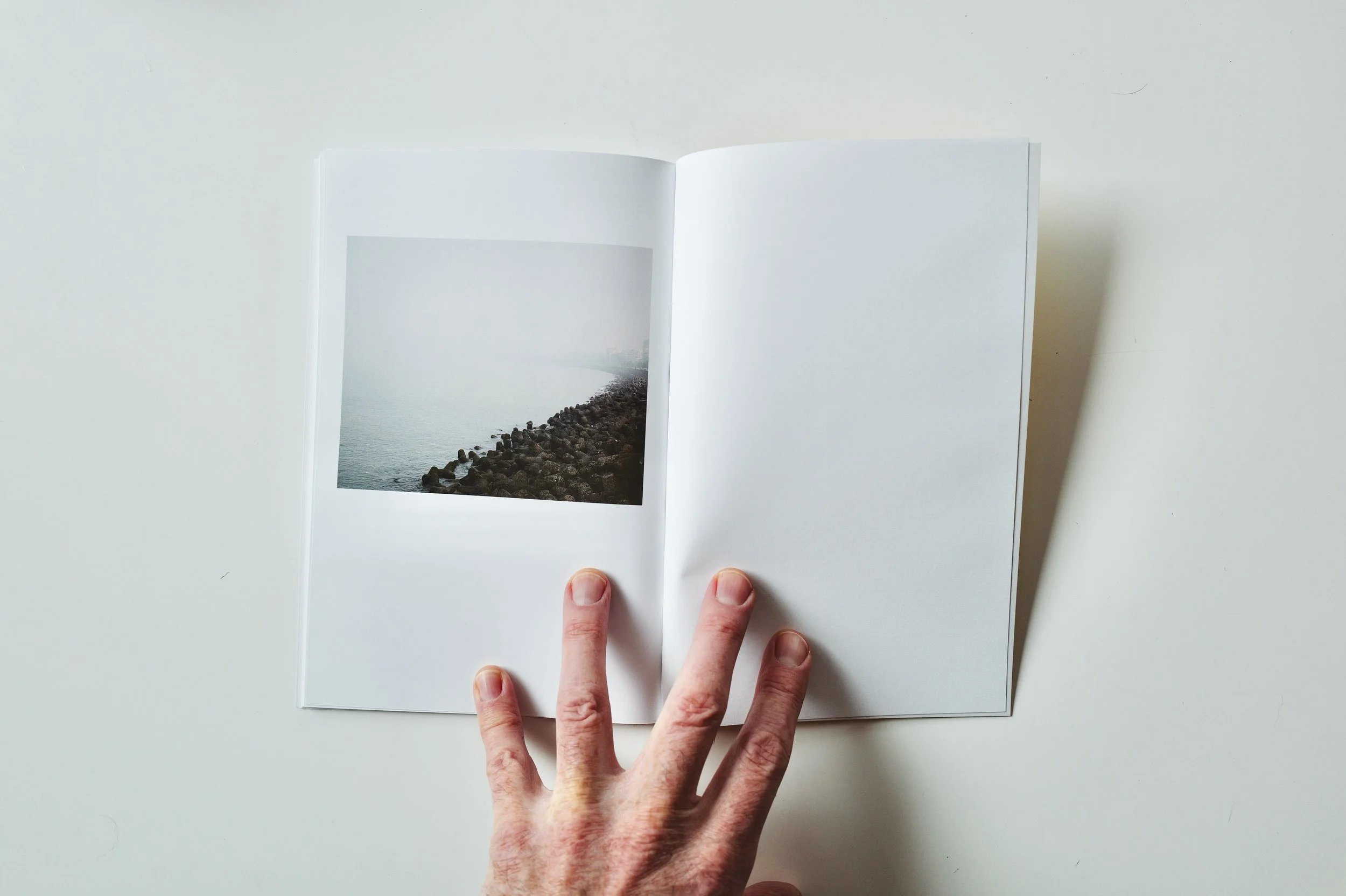
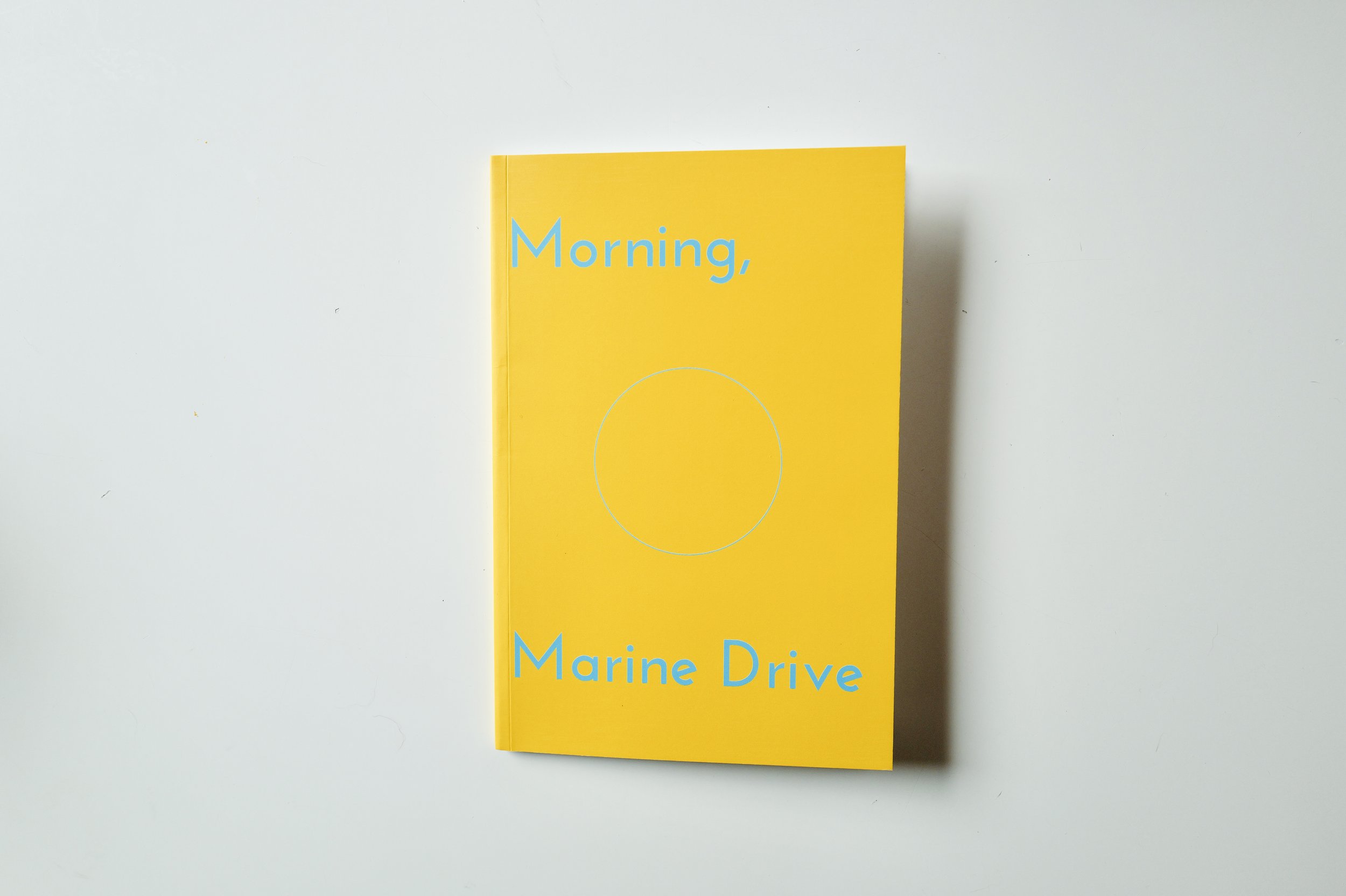
Which brings me to this little book, Morning, Marine Drive. It’s a simple project and a simple story. The edit is intentionally short, with just a handful of anecdotes to accompany some of the images. I made this book for me. Full stop. It was an exercise in keeping the image-making process raw and imperfect. A publishing exercise rooted in simplicity, learning new skills, working on editing (arguably the hardest skill of all), and bringing an idea and a group of images into the material world.
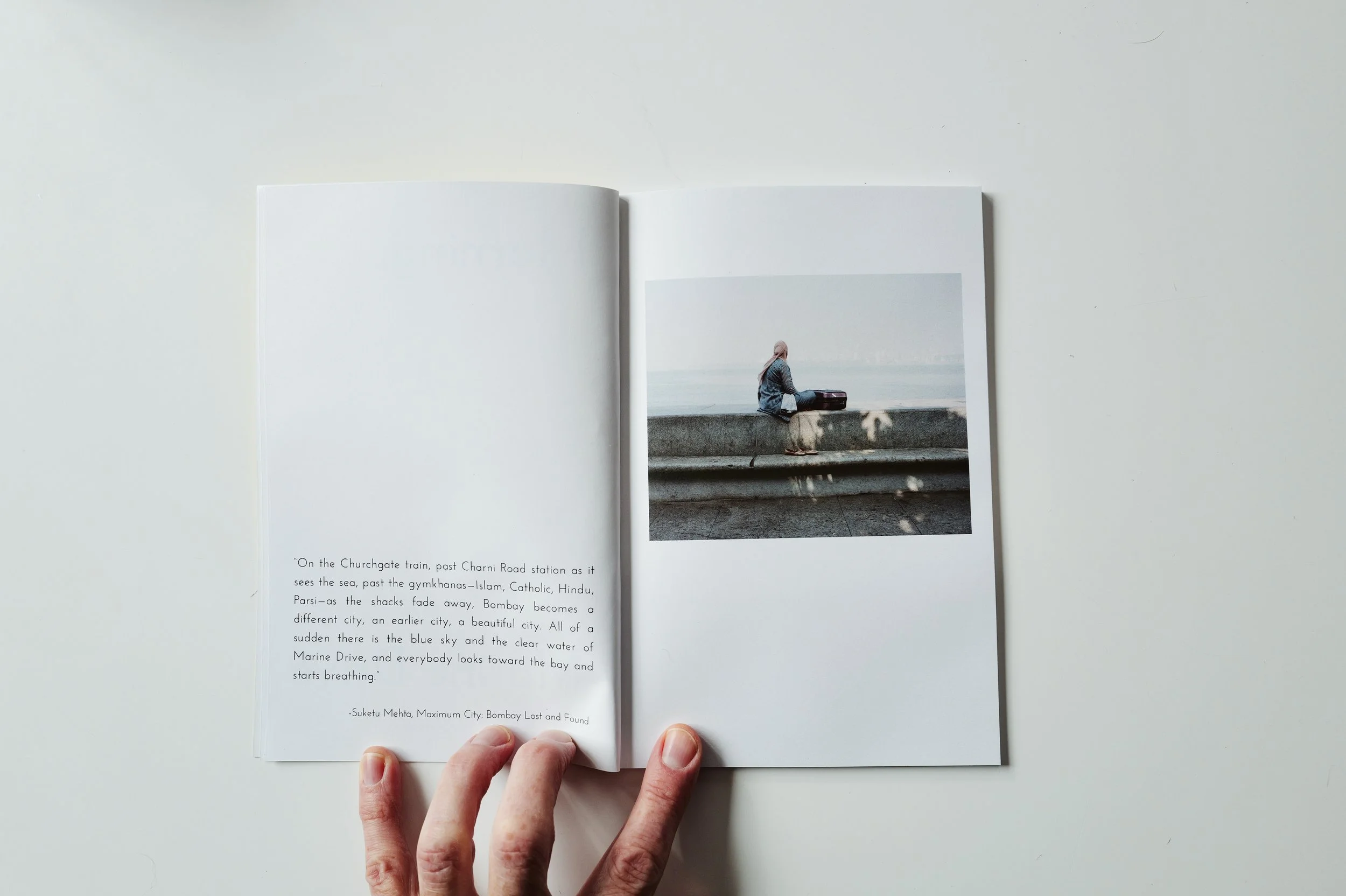
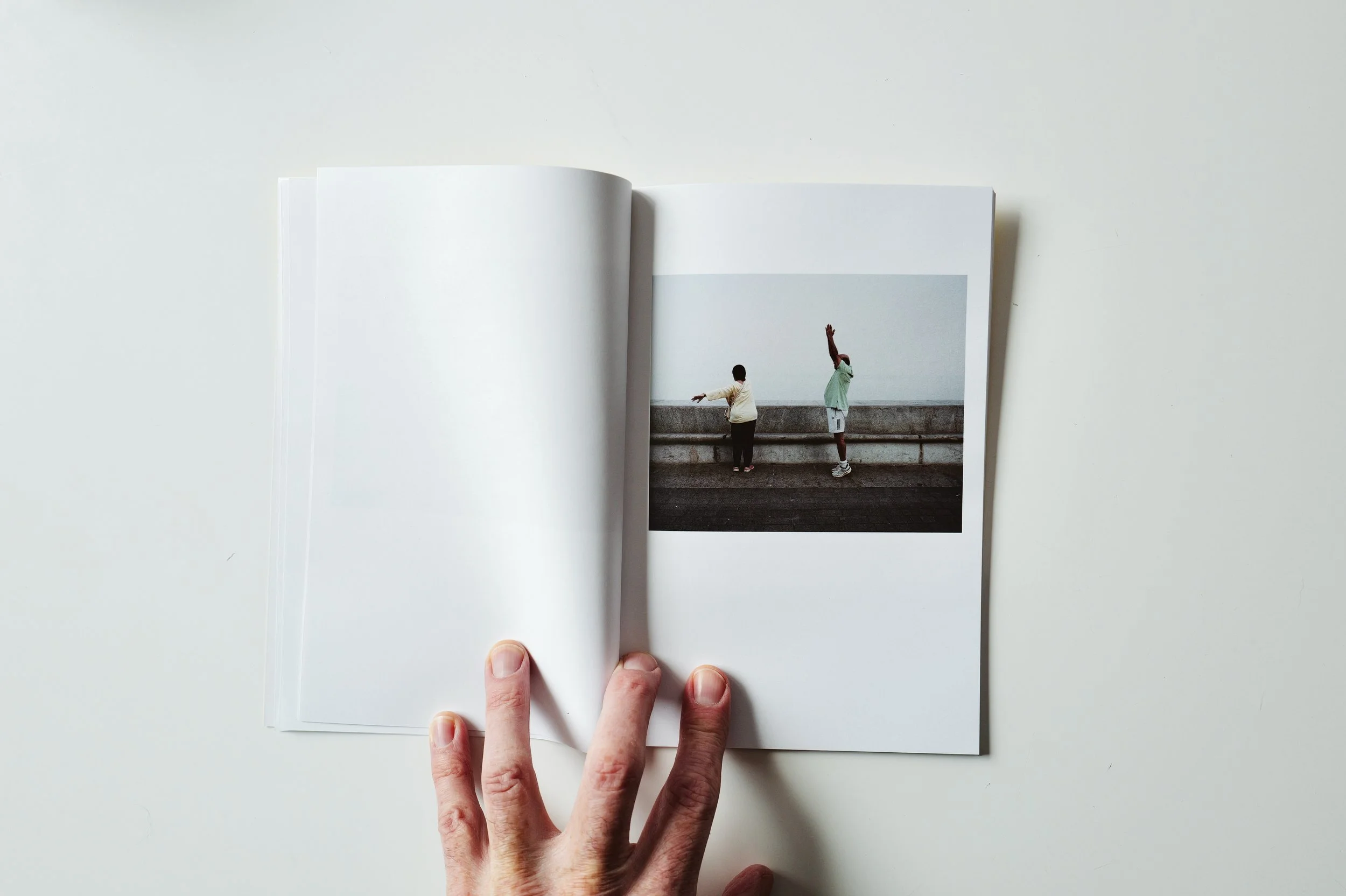
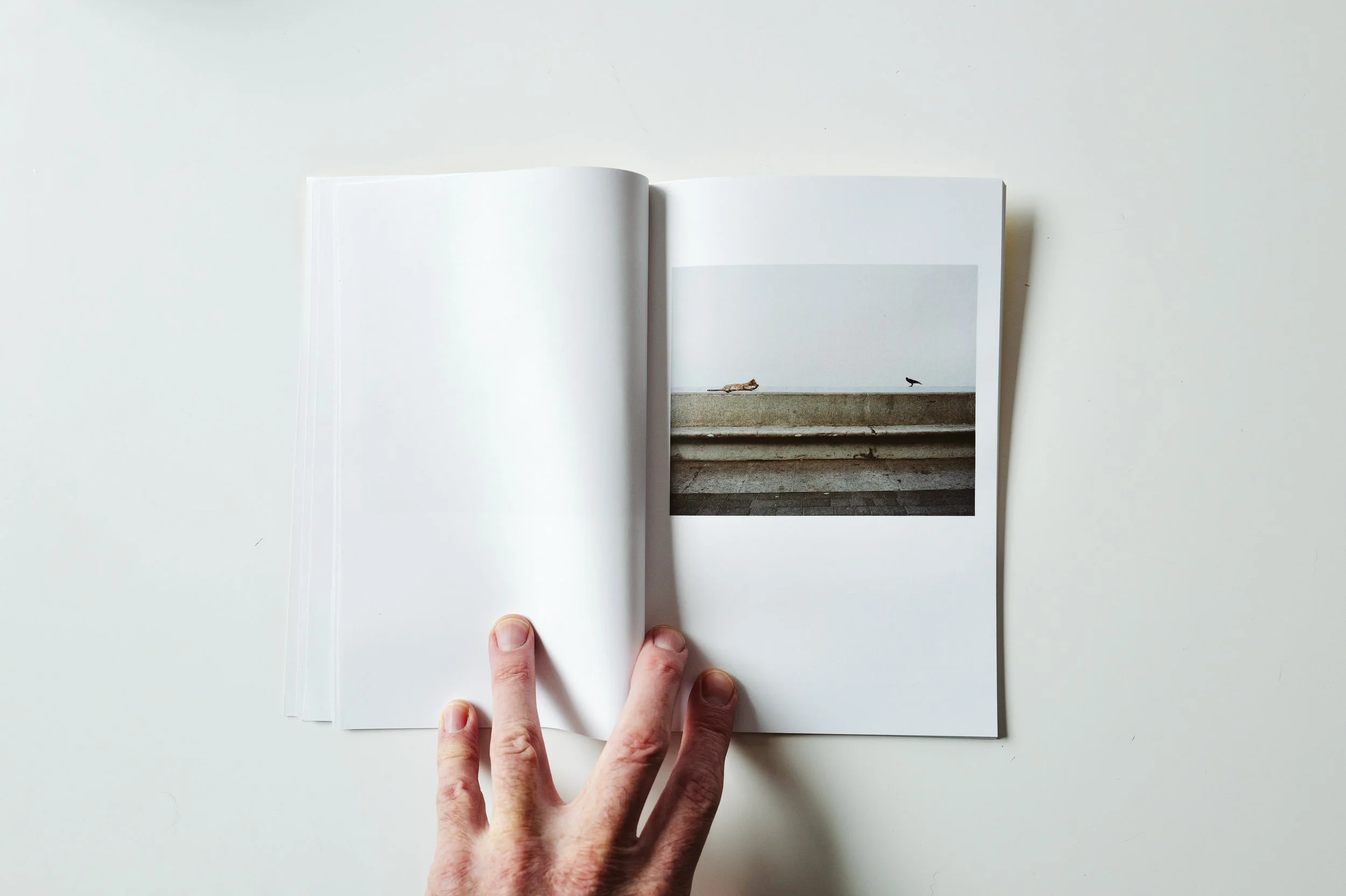
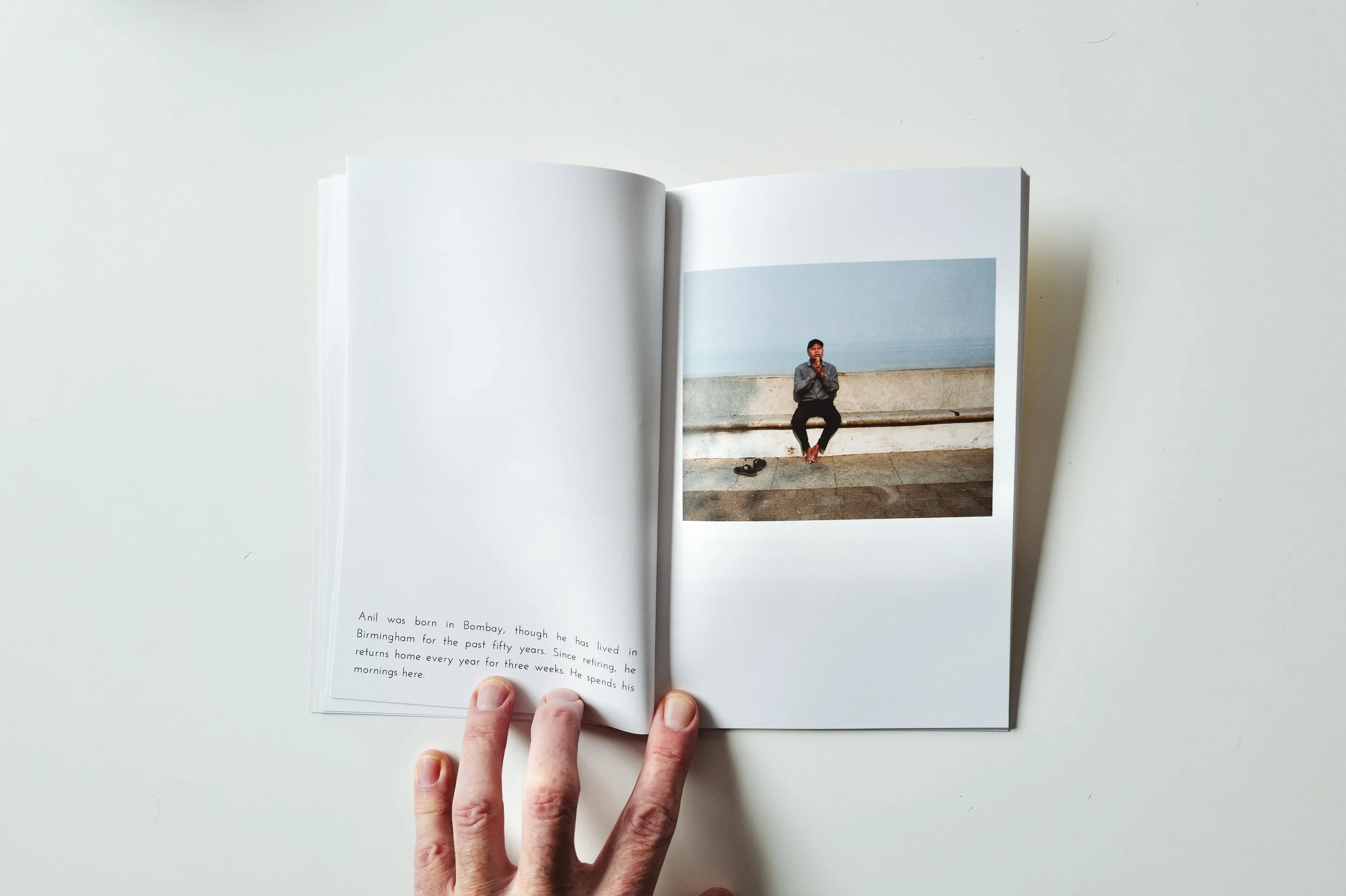
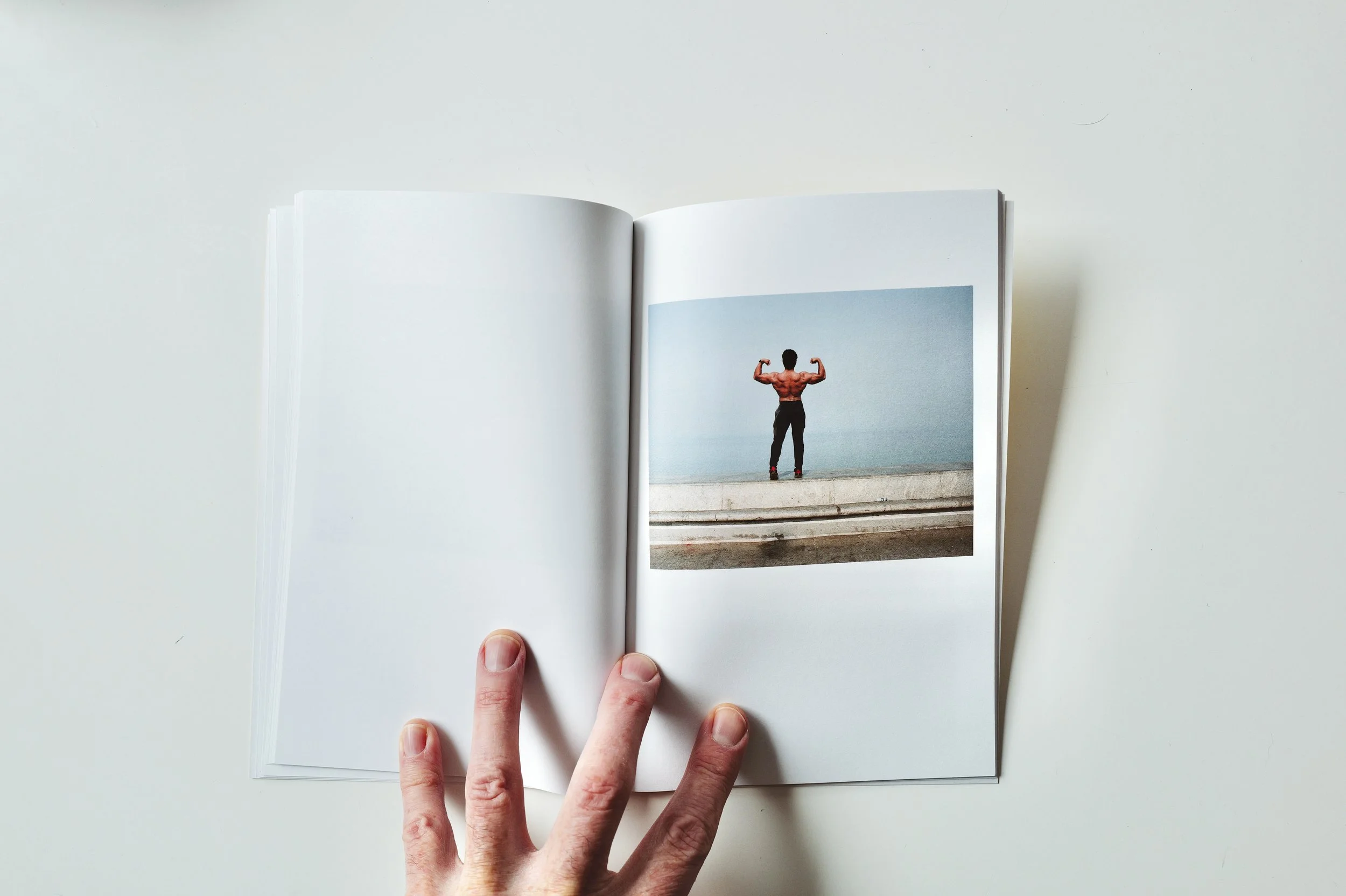
I used the Blurb platform, a known entity and one I’ve had good experiences with in the past. I was also fortunate to have a trusted, experienced set of eyes look over the mock-up before I hit the order button - thank you, Dan Milnor. Trade book, 6x9 matte softcover, standard matte trade paper.
My wife loves it. The subject is close to her heart, and she’s my harshest critic.
Perhaps that’s all that really matters.