• The Cracks in Everything
  • Anything But Normal
  • End of Season
  • BJP - Wildflowers
  • Shinny
  • Puja
  • Glengarry
  • sketches
  • BOOK
  • BIO
  • CONTACT
  • Menu

BRANT SLOMOVIC

  • The Cracks in Everything
  • Anything But Normal
  • End of Season
  • BJP - Wildflowers
  • Shinny
  • Puja
  • Glengarry
  • sketches
  • BOOK
  • BIO
  • CONTACT

Montreal, Quebec, 1973

Ori Magazine and Shinny

December 31, 2025

I was surprised recently to receive a genuine inquiry about an older project - one I had somewhat half-heartedly set aside. And it’s even more meaningful when the interest comes from one of the truly good people in the industry: someone thoughtful, who makes collaboration fun, communicates clearly and reasonably, and who takes the time to connect - to understand who you are and what your work is about.

Kade Krichko is one of these people. I’m genuinely thrilled he reached out and was honoured to collaborate with him on a feature for his magazine, Ori. Kade has been around, has worked with some of the best publications and photographers. He does exceptional work. He’s one of the good ones - the kind of collaborator you hope for but only seldom find. Ori itself is a beautiful, artist-focused publication. What more can you ask for?

The work in question is Shinny, a project that began more than ten years ago. I’ve always loved this body of work, but it became increasingly difficult to continue for the very reason I started it: the climate was changing. Winters here in the north were becoming shorter, warmer, and far less predictable.

Here’s what I wrote about Shinny when it was exhibited in Orlando in 2023 at the Snap! Gallery, run and curated by the late, dearly missed Patrick Kahn - another one of the very good guys.

Shinny was inspired by a photograph from my childhood in Montreal. The image lives in an old-style photo album - the kind with transparent pages that fold over to protect the pictures. It is black and white, bearing the patina of more than fifty years, and is inscribed “Winter 1973” in ballpoint ink on the back.

I am two and a half years old in the photograph: a toque pulled over my head, a scarf wrapped around my neck, skates on my feet, a hockey stick in my hands. It captures a childhood shaped by entire winter days spent playing this original, stripped-down version of our national pastime. We reenacted historic victories of our beloved team in replica jerseys of red, white, and blue, staying out until our fingers and toes were nearly frozen. In Montreal - and across Quebec - hockey was our religion, and the rink our cathedral.

The sights, sounds, and rituals of shinny hockey - encoded in our collective Canadian DNA - are what I aim to document. This work pays homage to a tradition woven into the fabric of Canadian identity. Shinny is how we endure long, cold winters. For many, it defines childhood; for others, it offers a way to connect with an adopted land and culture. Most importantly, it brings Canadians together across age, gender, race, and socio-economic differences.

Other projects eventually took precedence: work made over two winters in India, and five years in Israel for what became The Cracks in Everything. If I’m being completely honest, Shinny also stalled because I wasn’t sure where it needed to go - what was missing, and what would make it feel complete.

Editing the work for Ori - much of it previously unseen or unpublished - has breathed new life into the project. The next step is to get uncomfortable again, load the car, and head back out onto the wintery Canadian highway.


Tags: Shinny, Canada, Hockey, Ori Magazine
Comment

Cricket Club of India, Mumbai, 2025

September 26, 2025

I've been returning to India often over the last few years. I never resist the invitation. It's a place of immense beauty and magic, where the warmth of the climate is reflected in its people. There is also an unmatched generosity and a willingness of these people to be photographed. On the last three trips I brought a camera - single camera, single lens - but I did not go with a project in mind. I have been moving away from the practice of making images only as part of a project. There are images to be made in the practice of life - simply for the pleasure of making an image, being present, and noticing things in a new or vaguely familiar place.

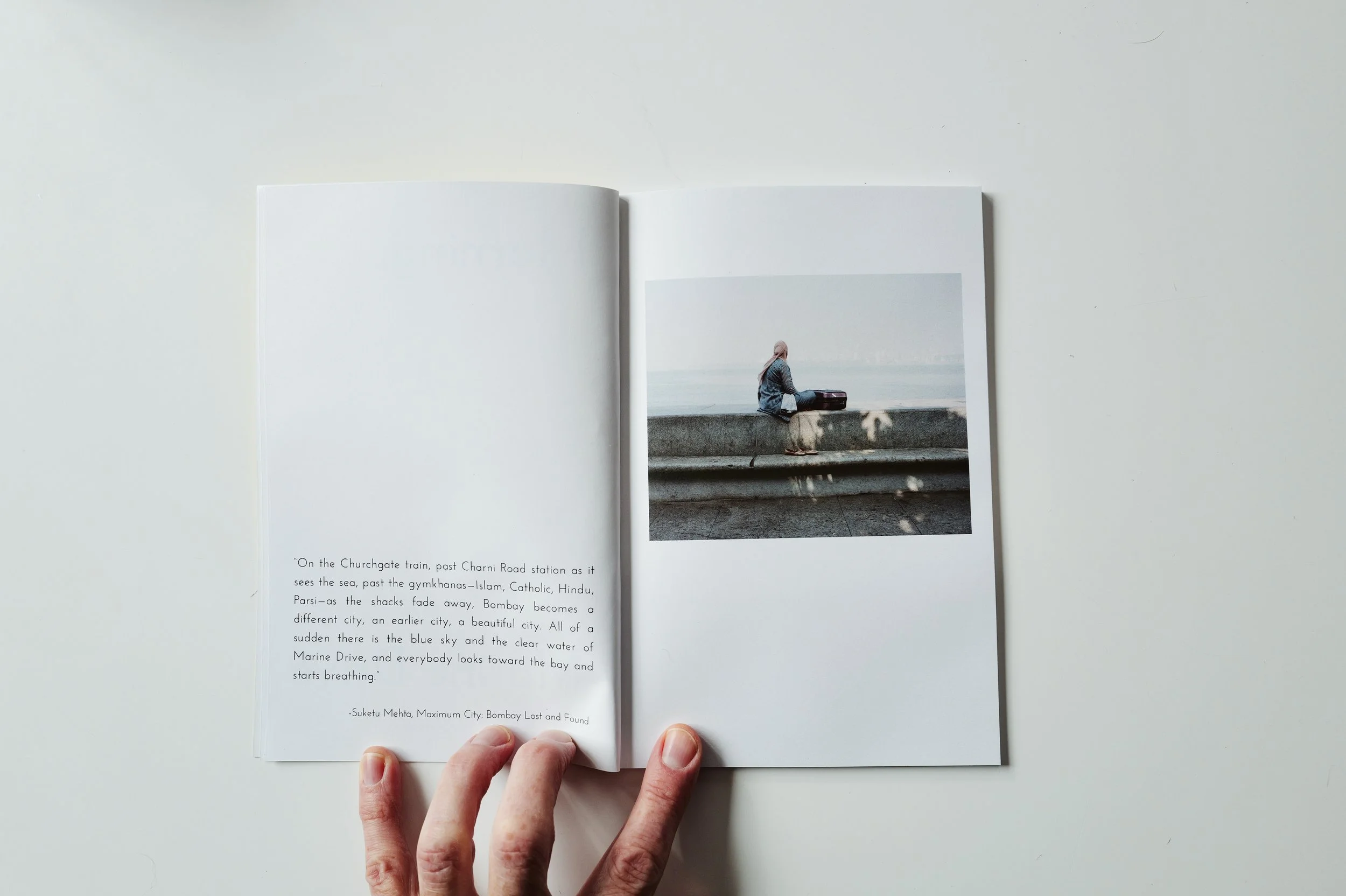
Inadvertently, I find myself spending a lot of time on or near cricket pitches (this is easy to do in India). On the last trip we stayed in a place literally built around a professional cricket pitch in the centre of Bombay. The field was the first thing I saw in the morning and the last before I went to bed. We ate meals mere feet from its outer edge. We walked its perimeter at dusk - a beloved ritual to end the day. The above image was made there.

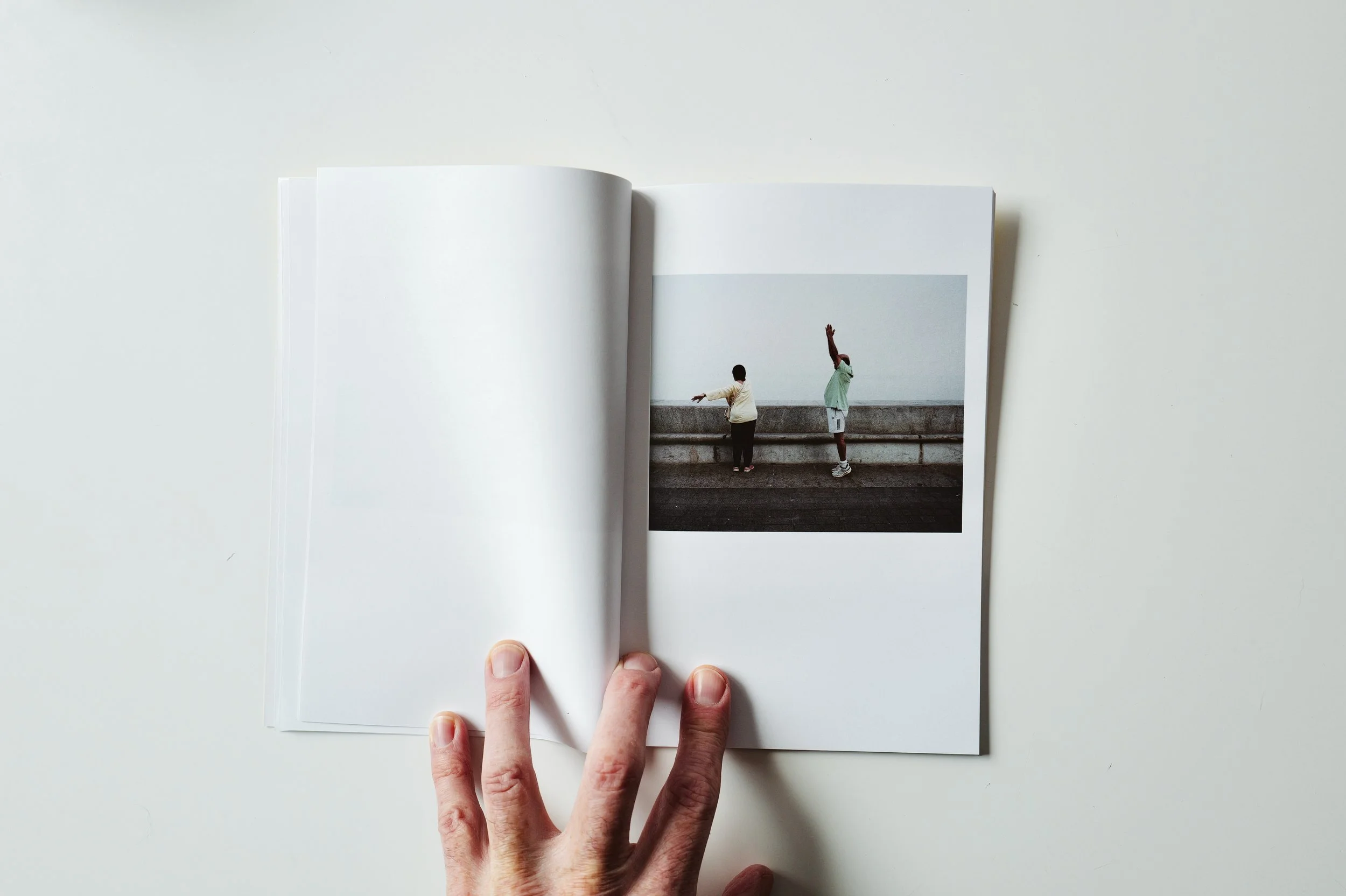
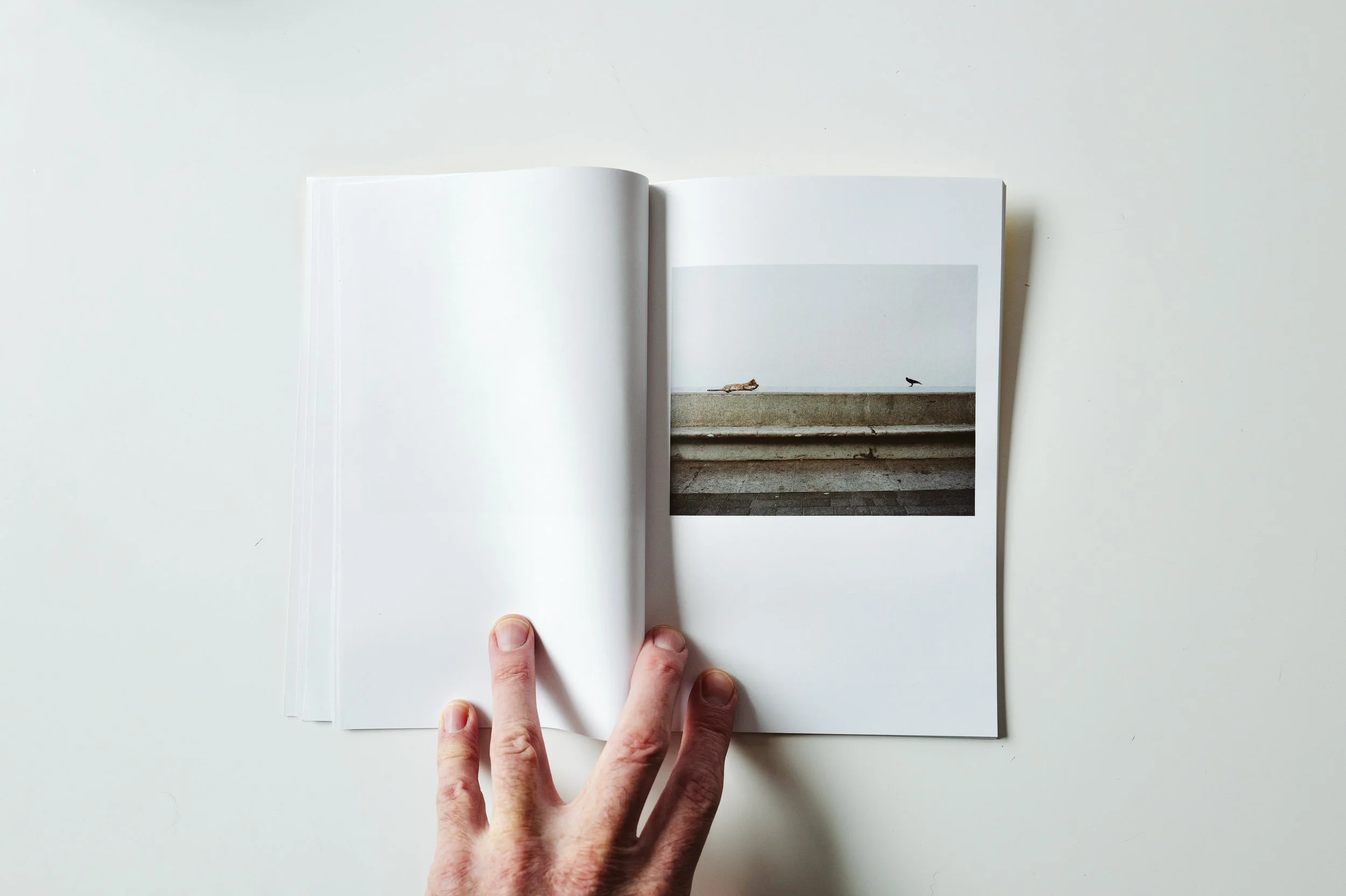
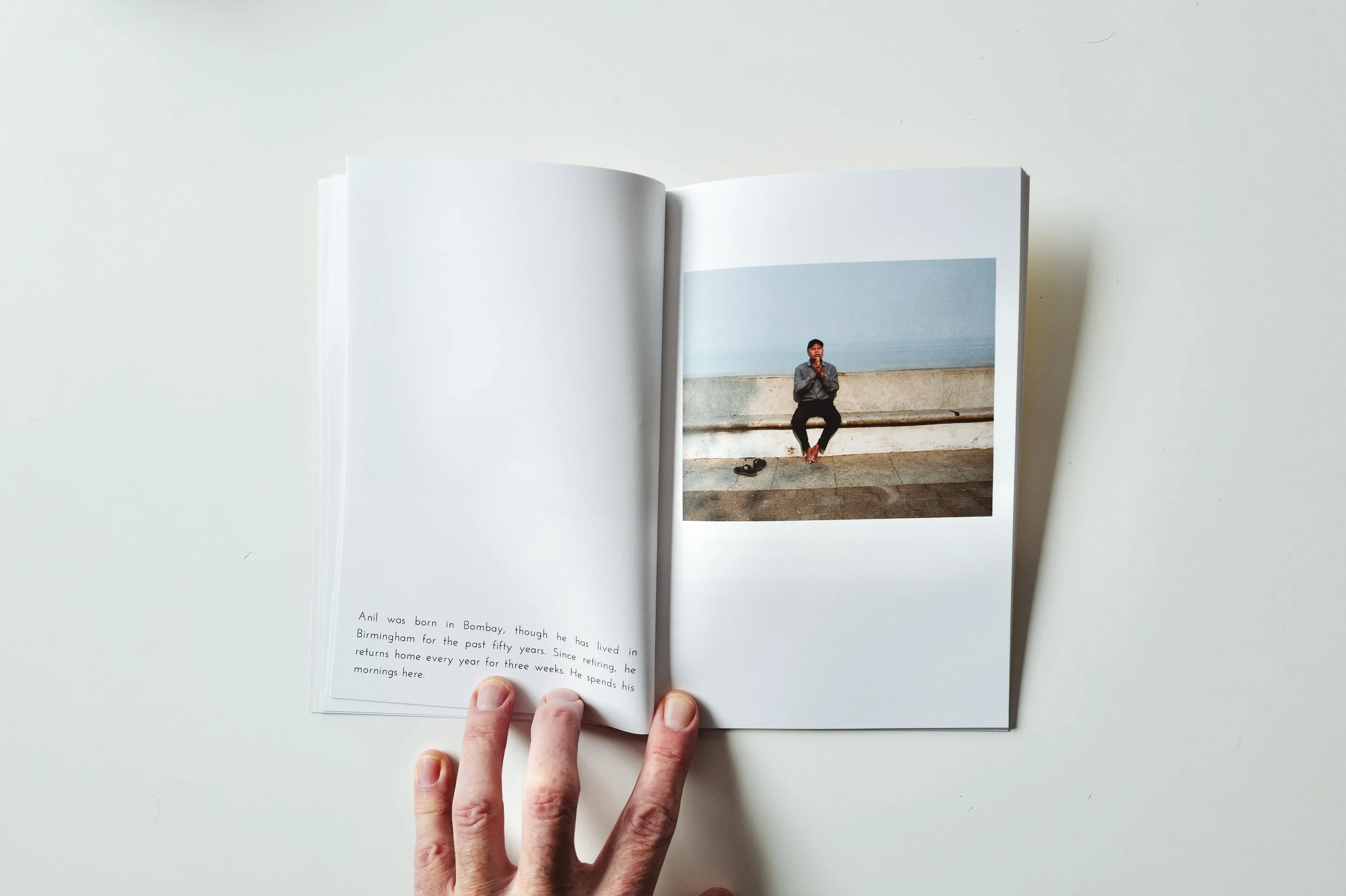
I should say I know next to nothing about cricket. The rules seem hard to fully grasp, yet I am drawn to it. There is a familiarity about it that is welcoming. The fervour and religious devotion it evokes in its fans is reminiscent of something I know well from my own experience with another sport. I am learning about cricket by making photographs of cricket, and it appears, after all, and after many years, that I am making something of a body of work - a companion piece to my project Shinny, perhaps.

There are similarities in the ritual, the kit, and the character of these games. There are likewise profound connections to identity and culture. And there are, no doubt, similarities in the kinds of images I am making. I have no idea where I am going with this work, but sometimes you make things simply because you are inspired by, and love, the process. Creative work begets creative work.

Tags: India, Mumbai, Bombay, Cricket, Shinny
Comment

2nd location and a shift in connection with Leah.

All Projects Begin with One Image

August 23, 2025

All projects for me begin with a single image—one made early in the process, before I know what the work will become. That first image confirms the intuition, sparks the momentum, and gives the work a direction forward.

I knew there was something for me to photograph in Israel—something deeply personal—but in the beginning, it was only a nagging feeling. On my first trip to start this work, I carried a vague idea of what I was looking for: a leading question, a word or two of inspiration, and a collection of songs in my head. I made some decent-looking images, but they lacked direction and narrative.

Months of research followed. I immersed myself in news from the region, Israeli novels and films, and photo books by those who had come before me. Somewhere in the middle of all that, I came across a story about the first mixed-gender battalion in the Israeli Defense Forces (IDF). One detail caught my attention: a young woman from India serving in this infantry unit. What is a young woman from India doing serving in the IDF?

Until then, I had never heard the term lone soldier. A lone soldier is a member of the IDF without family support in Israel—either because they have no immediate family in the country or because they are estranged from them. Thousands serve at any given time, coming from more than seventy countries. This was interesting. And it answered the question at the center of this work: how far is someone willing to go to find a sense of belonging—a tribe?

Months later, after countless emails, phone calls, and pulling whatever strings I had, I was granted a single day of access to a military base near the Lebanon border to meet and photograph a group of lone soldiers. It was a profound and moving experience. I spent hours on the base, surrounded by the sunlit hills of Lebanon, listening in dialogue before making a single image—that’s how I work, when permitted.

Leah was the first lone soldier I met. She was guarded at first but willing to engage. At some point, in our second location on the base, I made an image that stopped me when I saw it on the back of the camera. In my excitement, I shared it with Leah, and something shifted. Confidence came over her, a sharpening in her eyes, and a door opened to an intimacy that allowed for the image that would start and anchor the entire project. It’s still one of my favorites.

Another location and another unusable image.

At the time, I was shooting film while also making digital duplicates, testing out the latest mirrorless camera systems. Over years of travel, I had developed a routine for protecting my film—navigating airports, security lines, checkpoints, and the x-ray machines that had become standard in so many hotels. None of it mattered when it came to Israeli airport security. On arriving home, I discovered every roll had been rendered unusable. But I had backup.

The final digital photograph of Leah.

Tags: Israel, IDF, Lone Soldiers

Mile End, Montreal. August 2025.

New Gear, New Vibe and a Return to Saying Something About Images

August 13, 2025

There’s something about new gear that makes you do new things. Maybe that’s why some of us need it from time to time. It’s not about having the newest, the latest, or the most.

I’ve never understood photographers who insist that gear doesn’t matter or claim they are not into gear. You don’t hear musicians saying a guitar can’t inspire, or that there aren’t great songs waiting inside an instrument. I know plenty who own dozens, buying new ones simply to make new things. I like gear — always have — and I’m not afraid to say it out loud.

This is the first image I’ve made with the new camera that I like. I’ve never shot this wide before; it’s new territory, and there’s a learning curve ahead. The image is simple — I like the tone, the shadow detail, the form. And I like that it feels different for me. That’s it.

Comment